


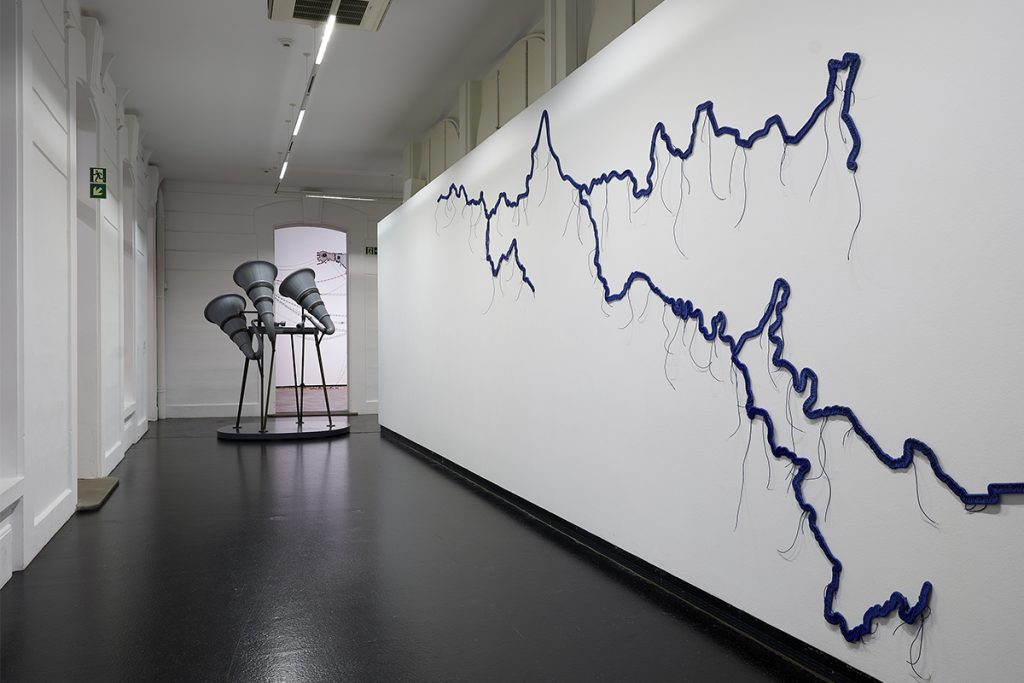
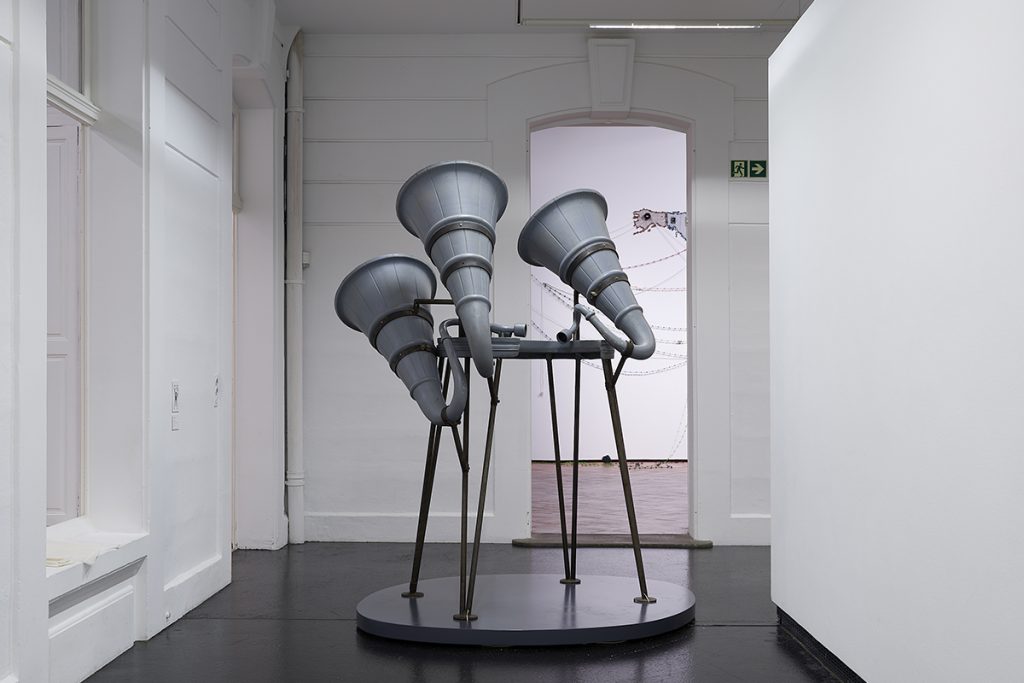
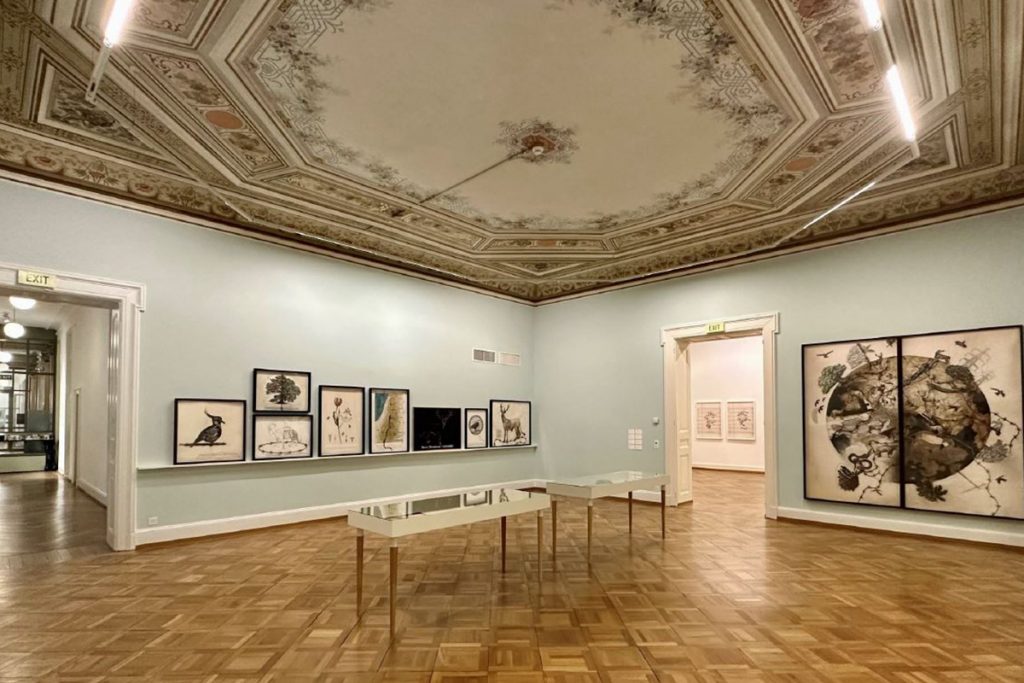
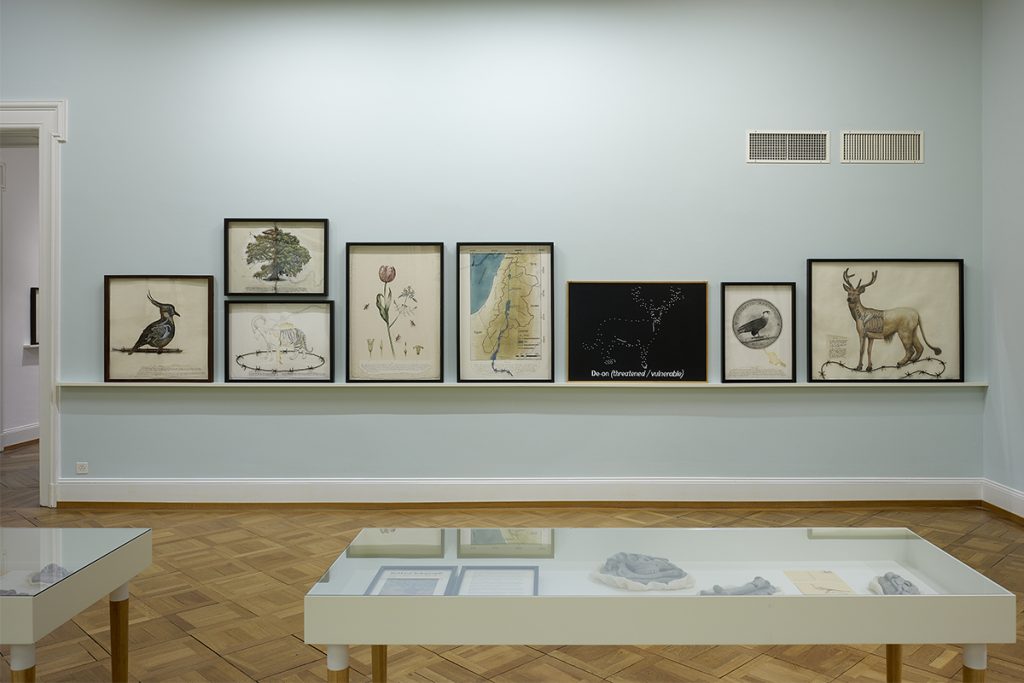

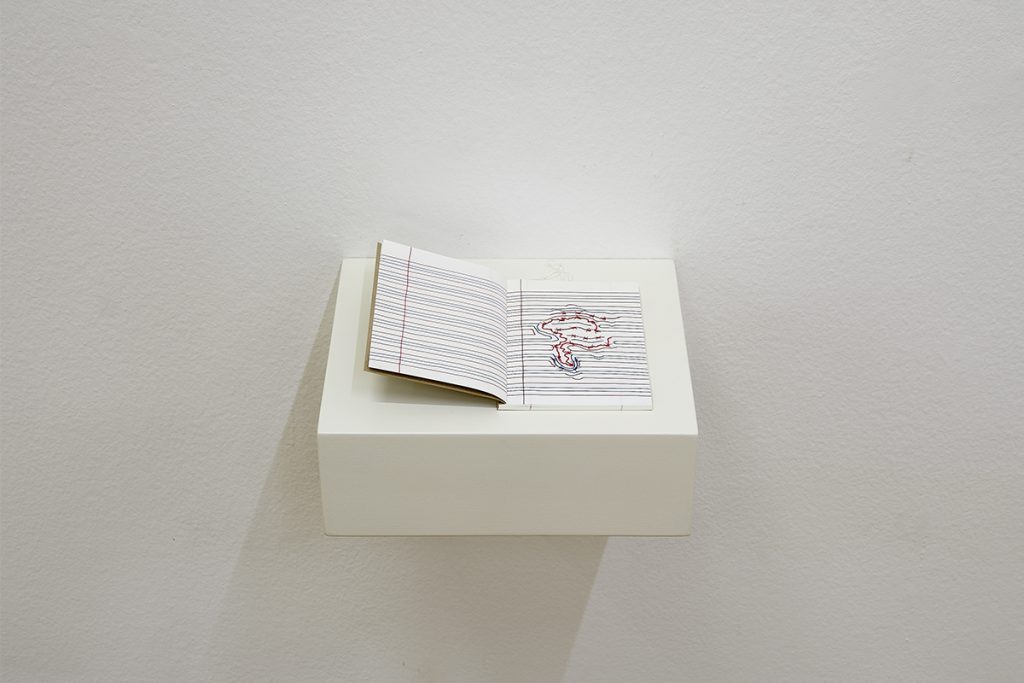
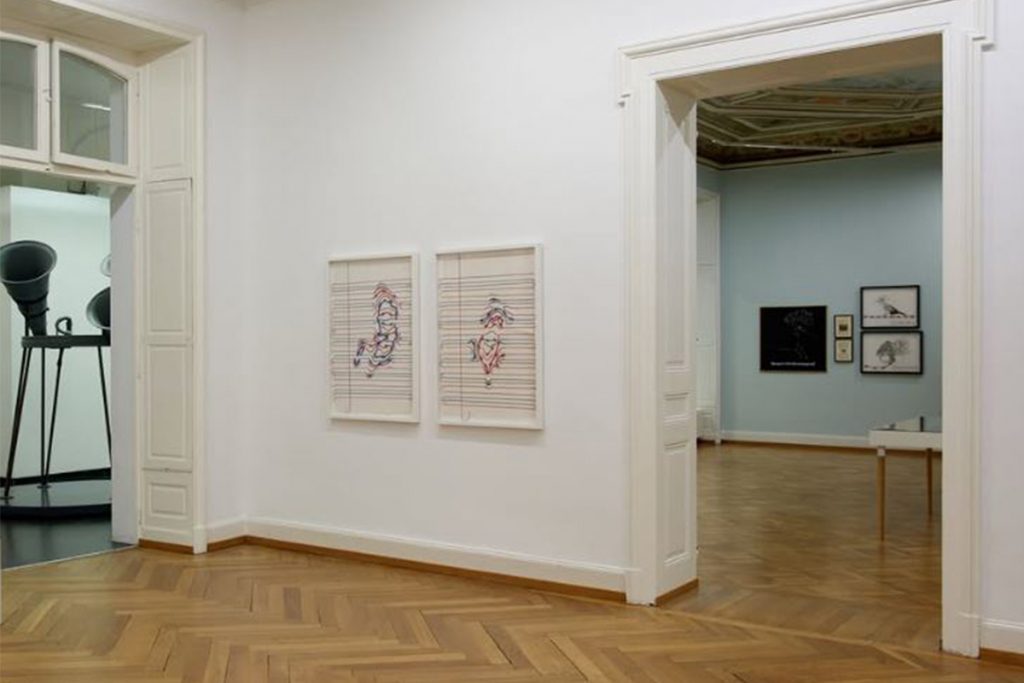
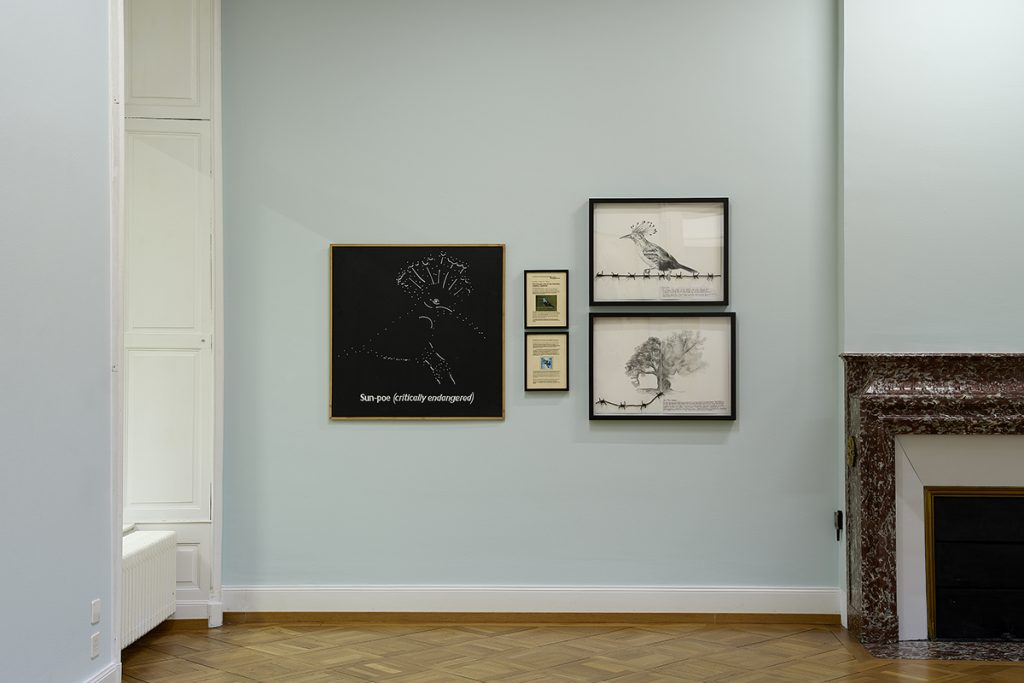
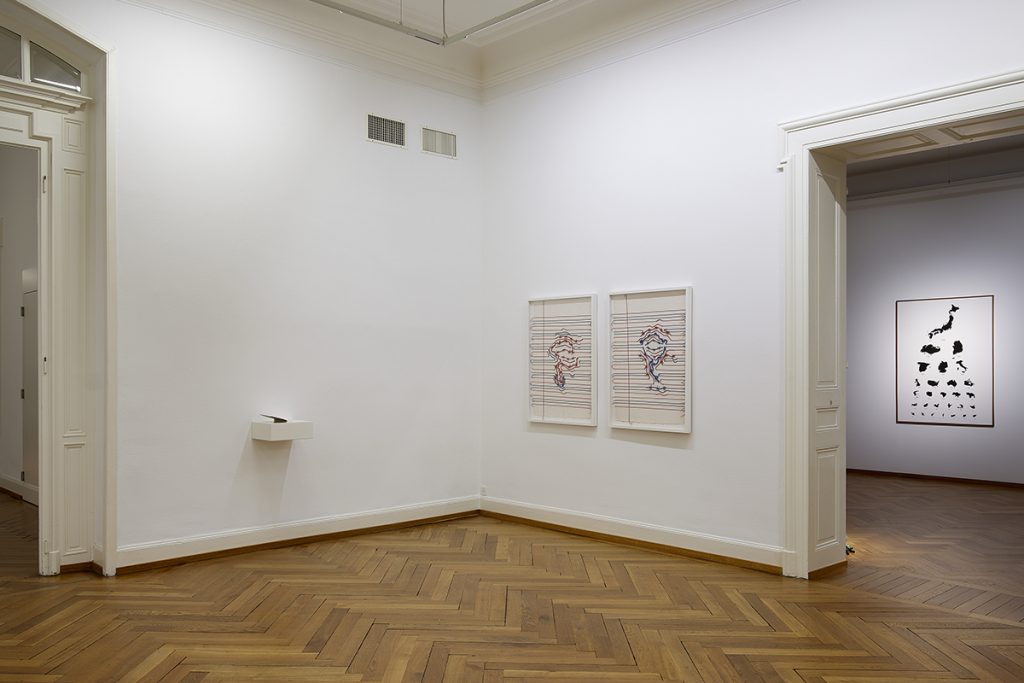



2023 Deep Rivers Run Quiet, Kunstmuseum Thun, Switzerland
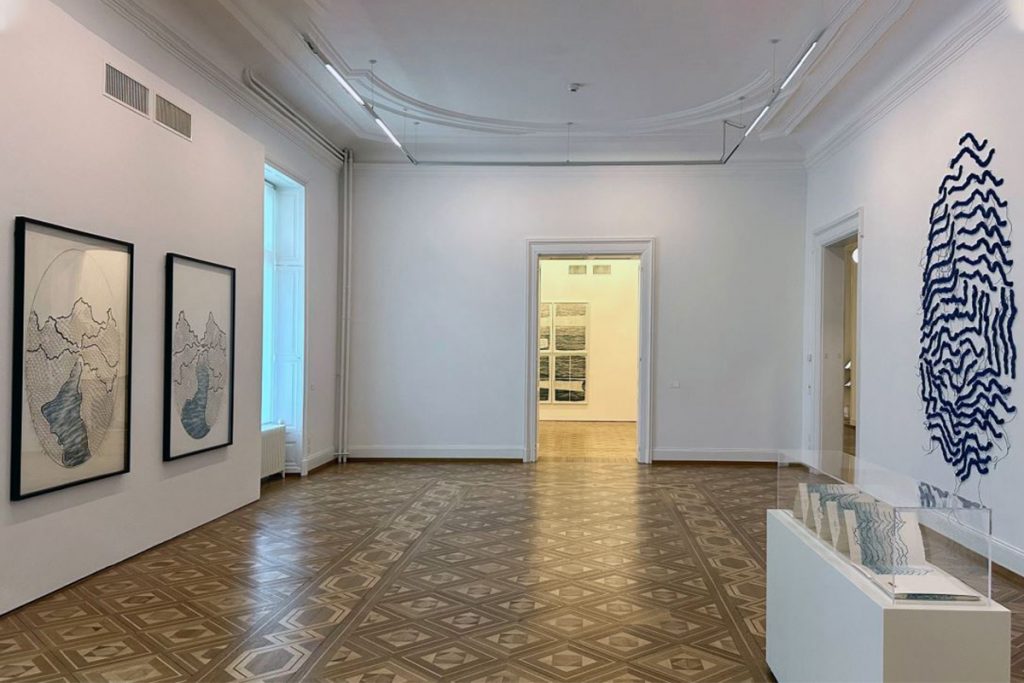
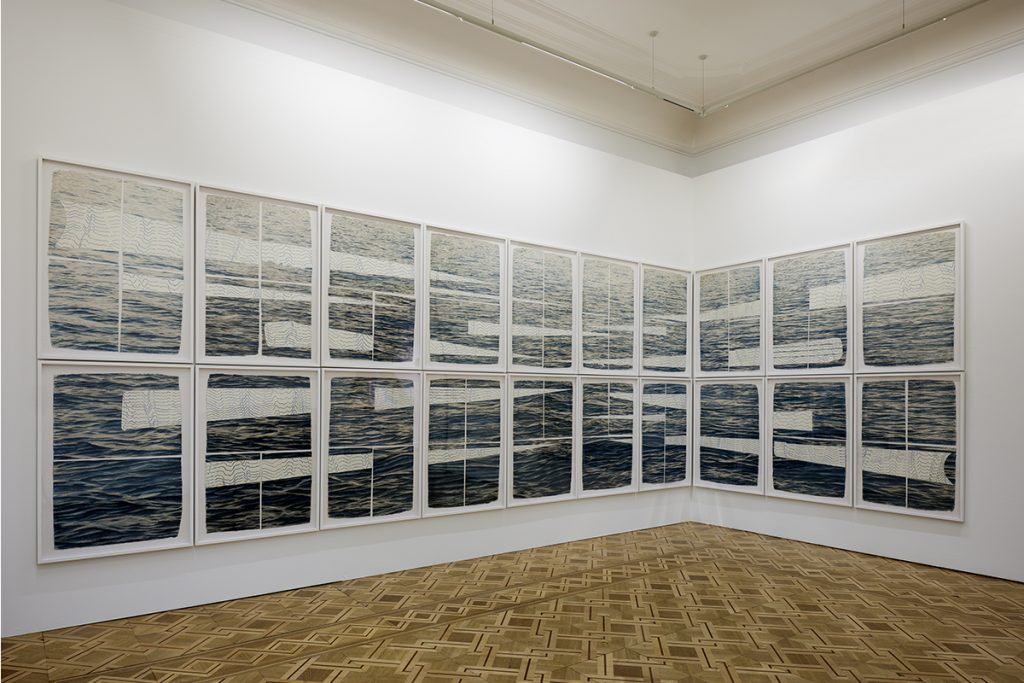
Kunstmuseum Thun is pleased to present Reena Saini Kallat’s exhibition, Deep Rivers Run Quiet curated by Helen Hirsch in the summer of 2023.This is the artist’s first large-scale solo exhibition in Switzerland.
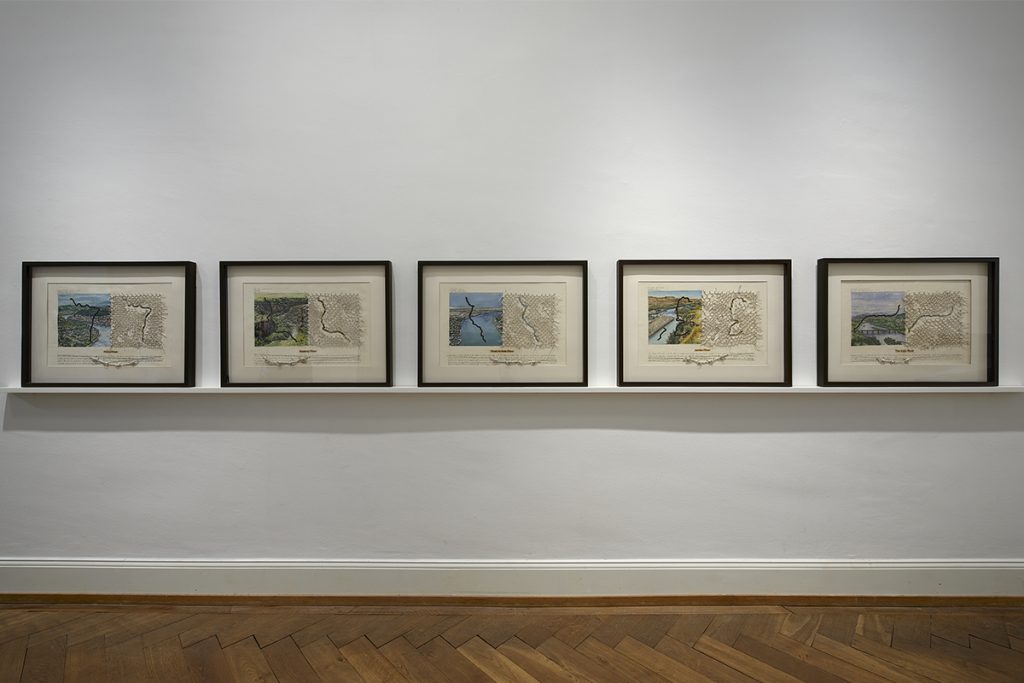
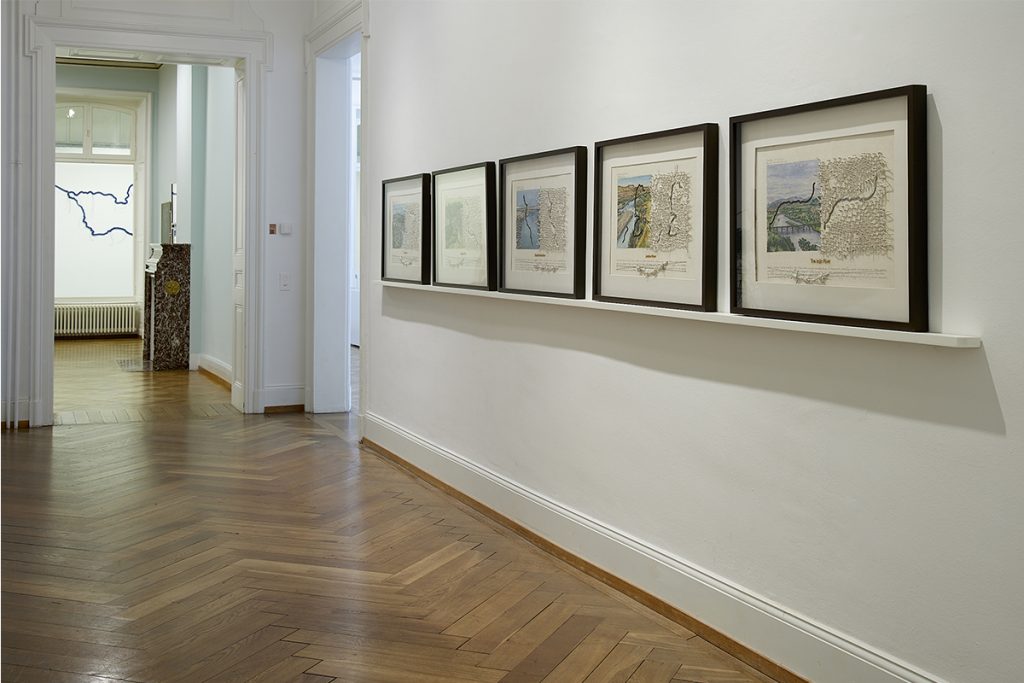
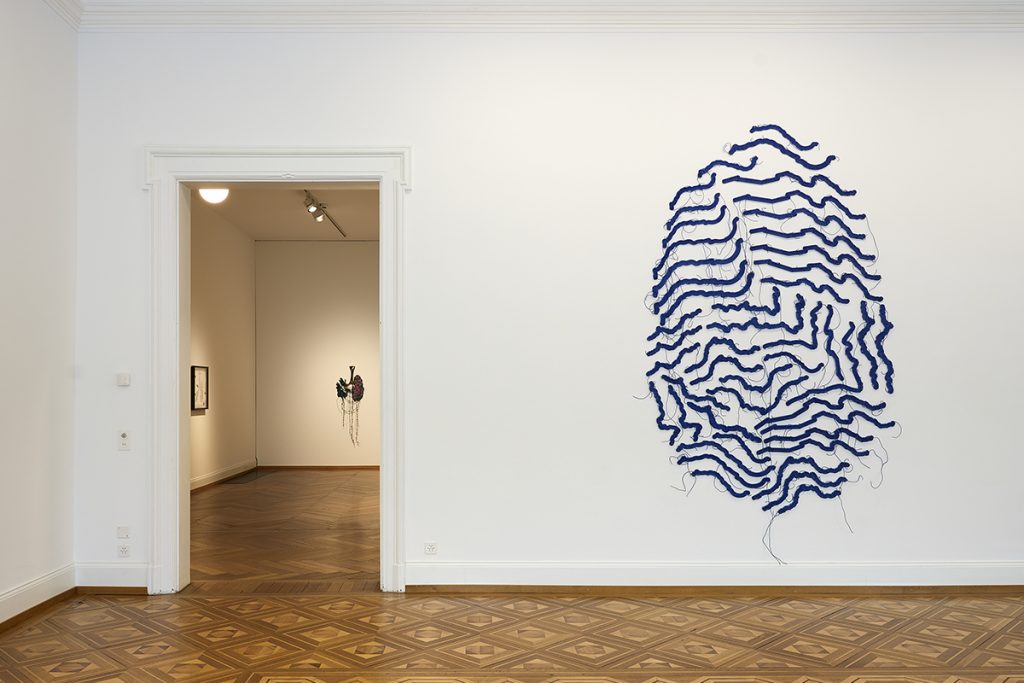
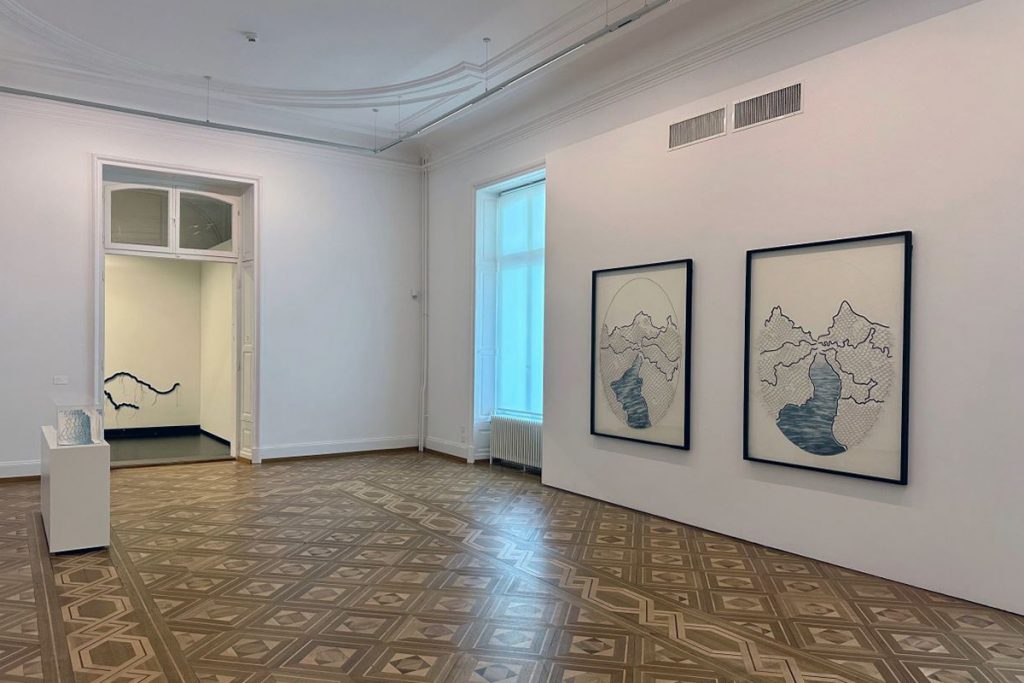
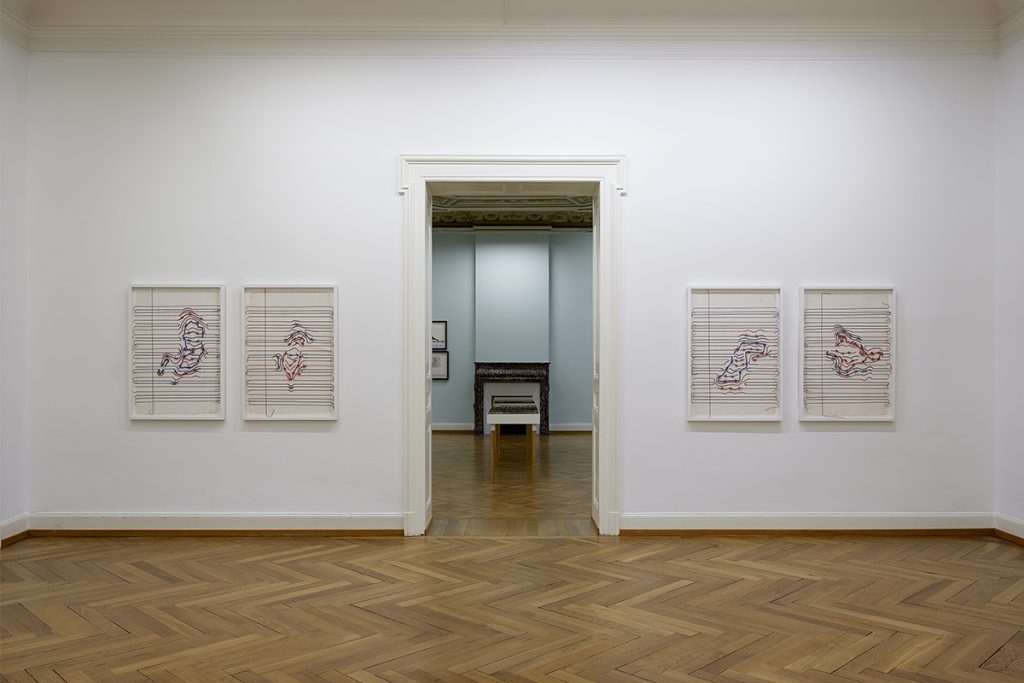
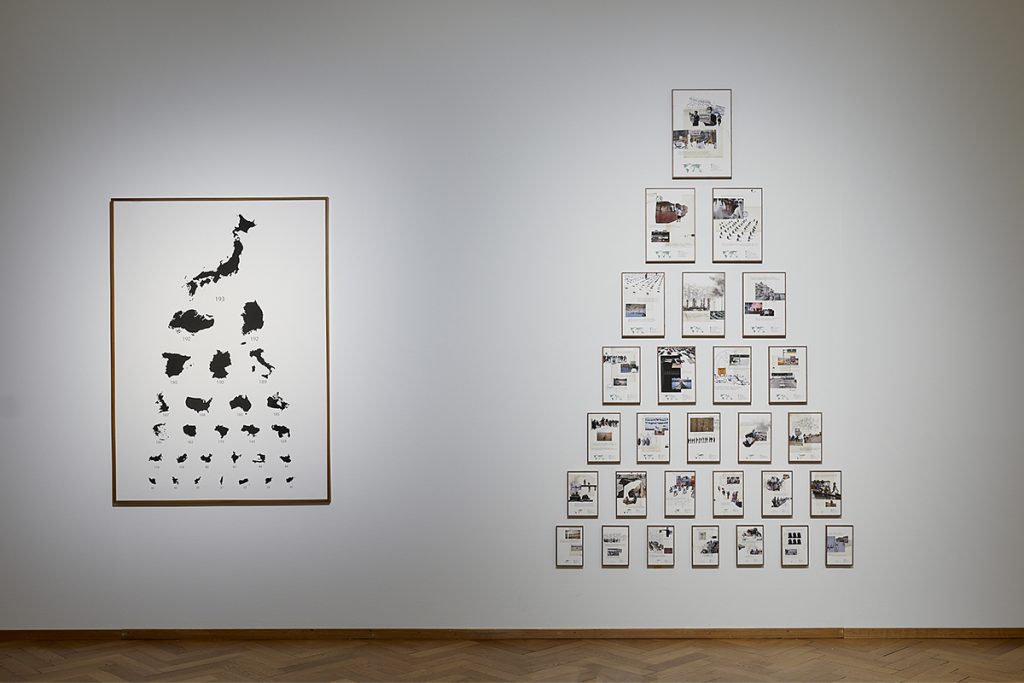
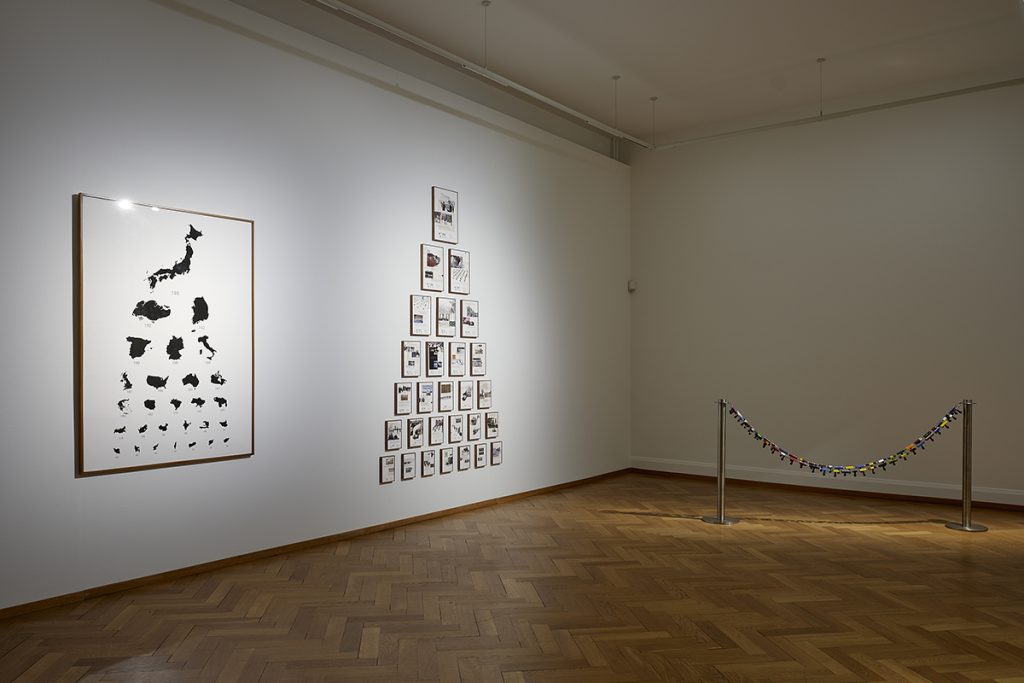
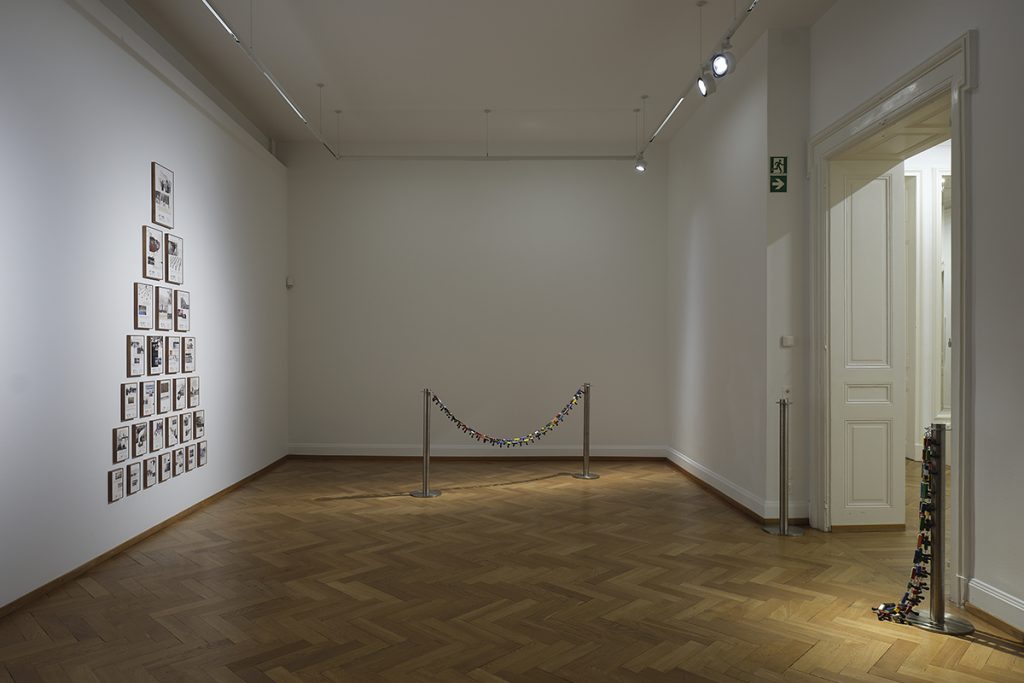
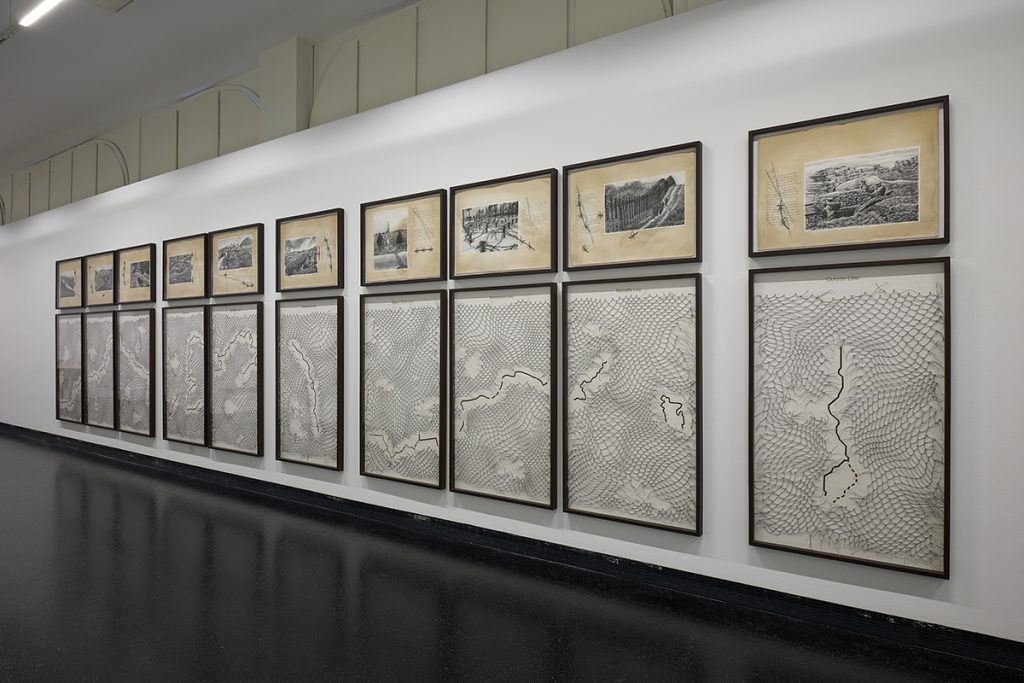
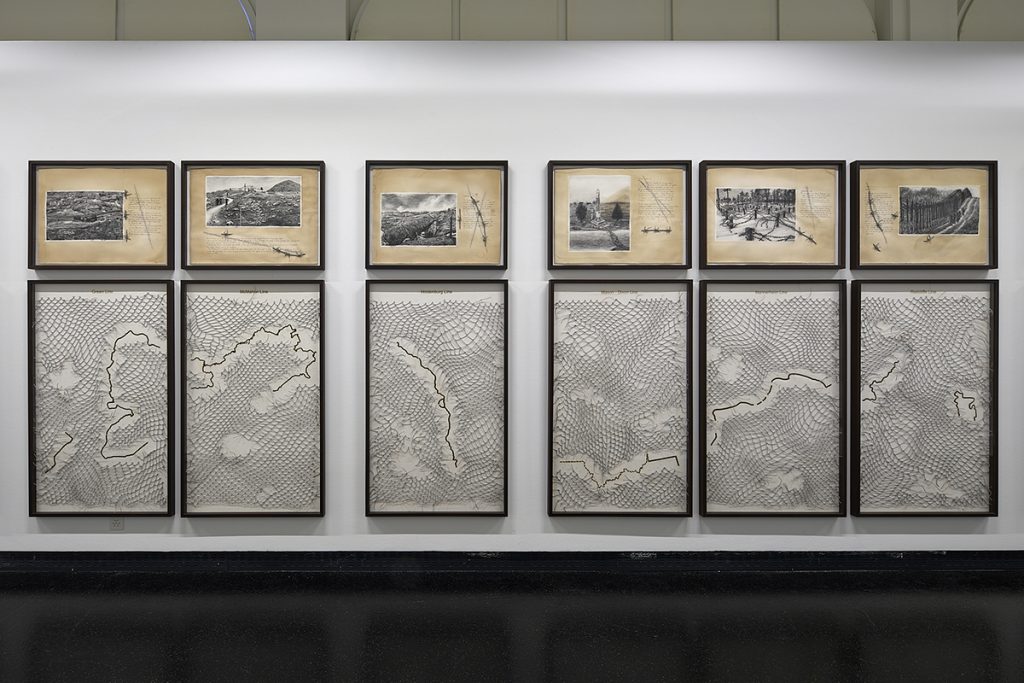
In her multimedia works, Kallat intently addresses, among other things the diverse effects of national and geographical boundaries, geopolitical border conflicts and their impact on humans and the environment. Disputes over water come to the fore, with water scarcity arising from human habitation in frontier areas and cultivated landscapes. The artist moreover arrestingly demonstrates the consequences of colonial history on the fates of people living in border regions, leaving “scars” that still persist to this day in Pakistan and India. Kallat sheds light here not only on contested territorial boundaries but also on social and psychological barriers, referencing her own personal family histories. Using materials such as electrical wire, she makes this violent separation palpable, while also highlighting the connective function of that same wire.
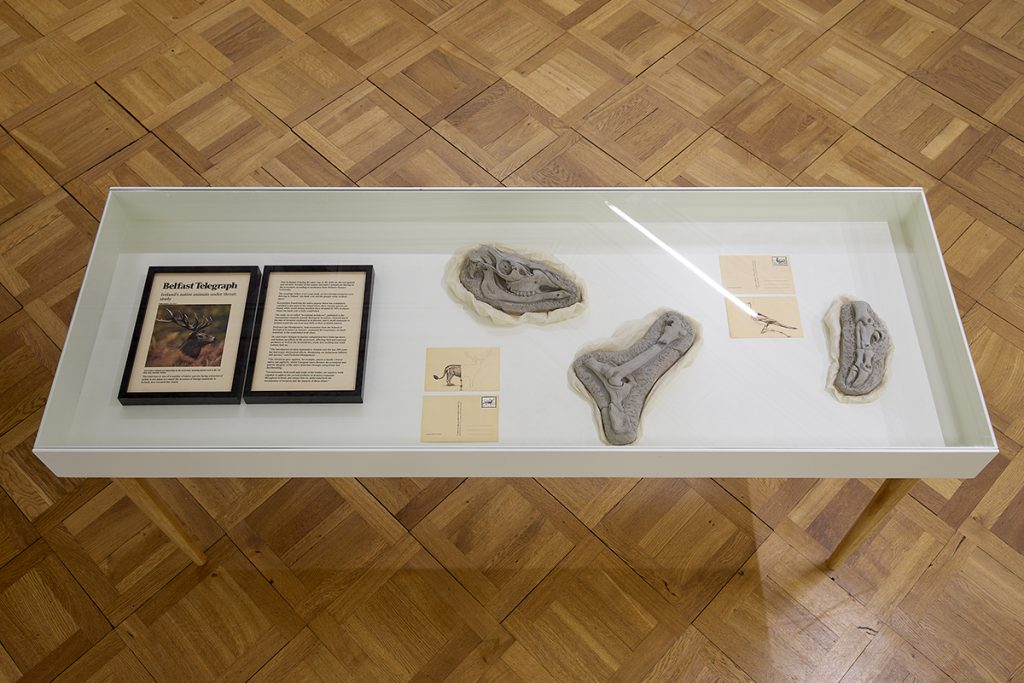
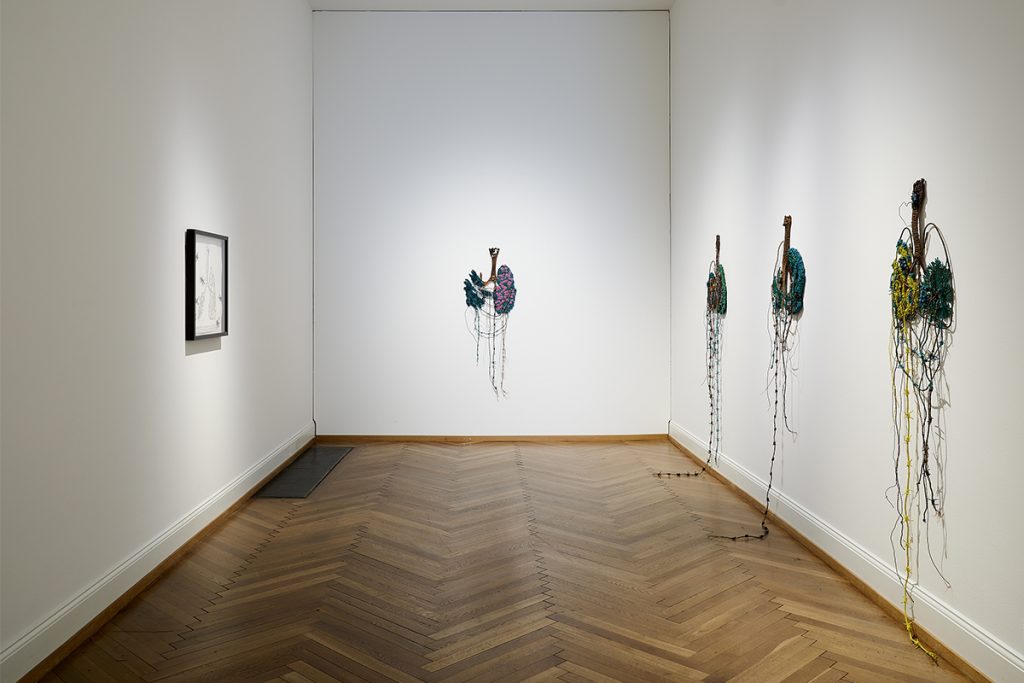
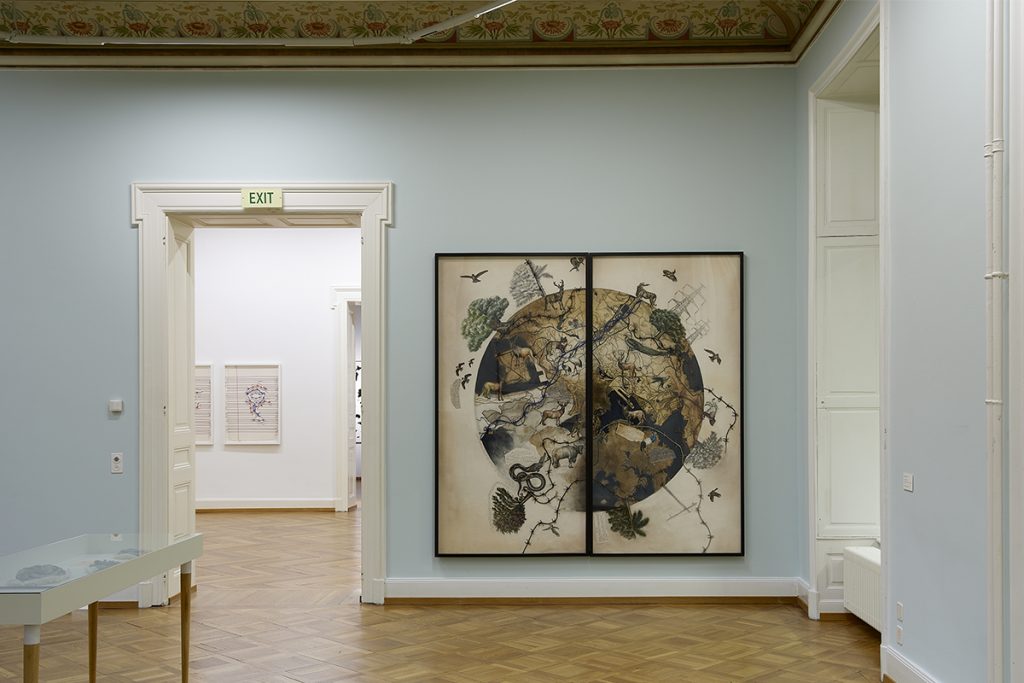
In a series of works entitled Siamese Trees (2018–19), electrical wire forms woven hybrid trees like ‘green lungs’, highlighting our interdependence with trees as a source of oxygen. Here, wire is primarily a metaphor for the mycelial network of fungi through which nutrients are conducted in a hybrid plant species, just as blood vessels nourish the human body. In other works, Kallat explores how the typical flora and fauna of nation-states that stand in conflict with each other, such as India and Pakistan and the USA and Mexico, are sometimes lent absurd meanings as national symbols. Hybrid animals and plants figure for example in the multi-part, multimedia series Hyphenated Lives (2014).
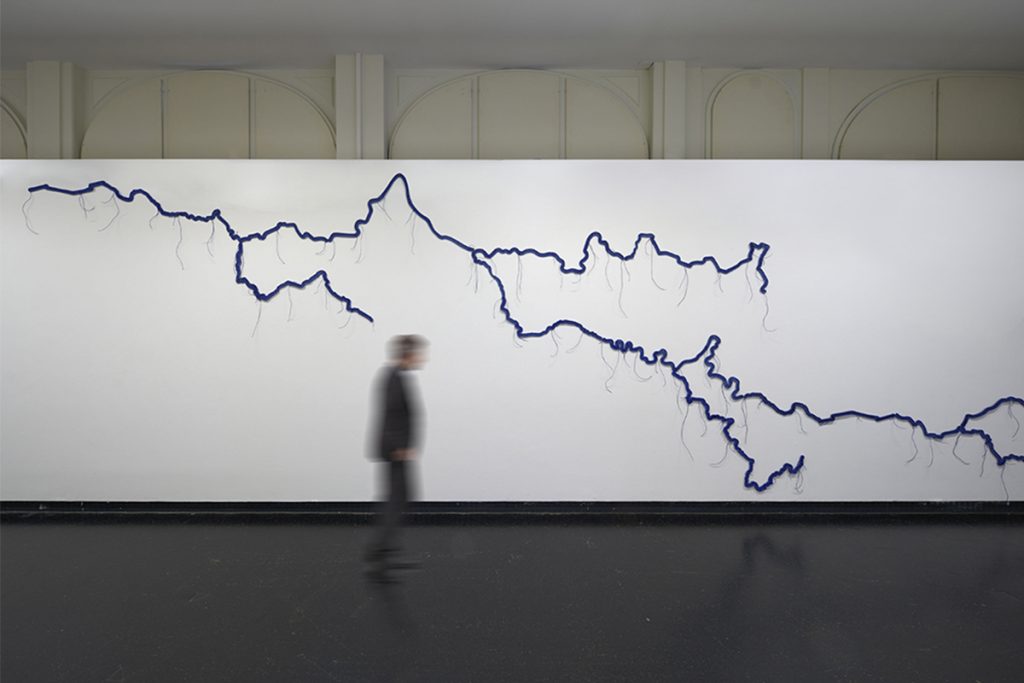
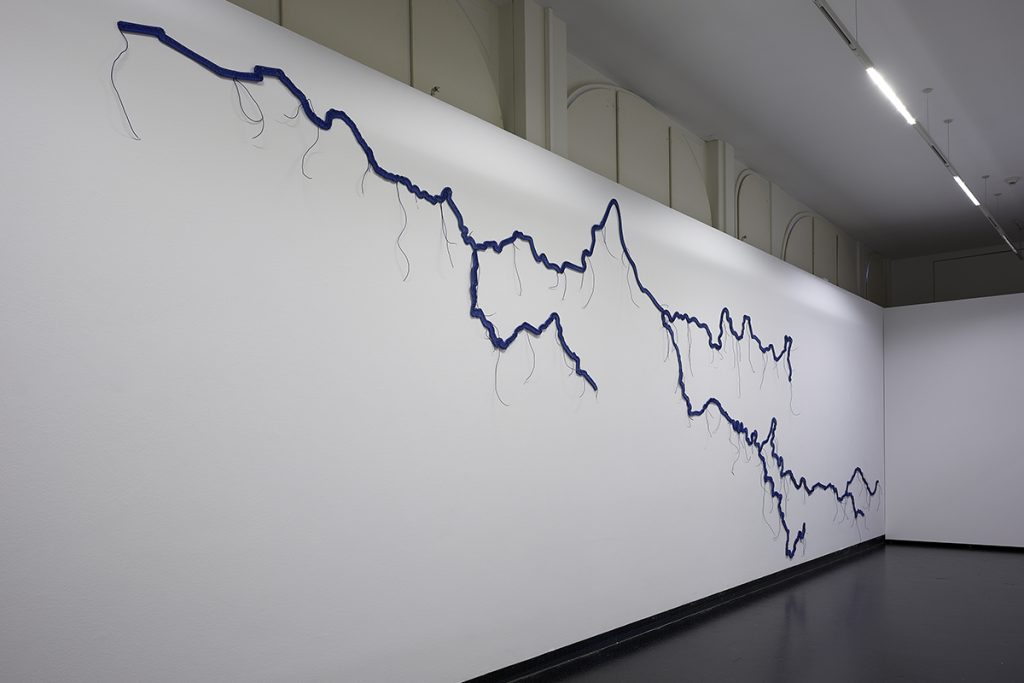
Kallat has reinterpreted one of her best-known works, the large-scale installation Woven Chronicle, expressly for Thun, adding additional layers of meaning: “The newest iteration of Woven Chronicle represents the impact of humans on the environment using a colour code for the ecological footprint of each country. When a population’s ecological footprint exceeds its biocapacity, the region has a biocapacity deficit. With this visualisation of ecological debtors and creditors, the Global Footprint Network intends to initiate a dialogue on the increasing importance of biocapacity. The map distinguishes between the high standard of living in the north and the lower standard in the South, whereby the traditional roles are reversed: The south does relatively well here, while the footprint of the Global North significantly outstrips its biocapacity.” the artist says.